Land Clearing Experts: Setting Up Your Property for New Beginnings
Land clearing operations are crucial for turning neglected or cluttered properties into functional spaces for development. These experts carefully eliminate barriers, guaranteeing a solid groundwork for upcoming projects. With a comprehensive grasp of site inspections and environmental requirements, they strengthen both safety and accessibility. Yet, identifying the ideal service can be complicated, and comprehending the process is fundamental. What should property owners consider before starting on this journey?
How Land Clearing Impacts Your Property Development Journey
Land clearing begins the process of transforming the property development process by getting the site ready for construction ahead. This essential first step requires the removal of obstacles such as trees, shrubs, and debris, creating a clean slate for builders and architects. By forming a clean and level foundation, land clearing enhances accessibility, enabling the seamless transport of equipment and materials.
Furthermore, it lays the groundwork for efficient design and planning, as designers can clearly see the arrangement and positioning of developments more effectively. The procedure also aids in pinpointing potential environmental concerns, such as drainage problems or soil conditions, promoting proactive remediation strategies.
In addition, land clearing can increase security by eliminating dangers associated with dense vegetation and uneven terrain. At its core, this powerful action not only streamlines construction but also cultivates a better coordinated and deliberate approach to property development, paving the way for new opportunities.
Steps Involved in the Land Clearing Process
Clearing a site involves a number of essential steps that ensure a smooth and efficient process. Initially, a thorough site assessment is conducted to identify obstacles such as rocks, trees, and plant growth. This inspection shapes the strategic phase, where strategies for removal are developed, accounting for ecological requirements and anticipated consequences.
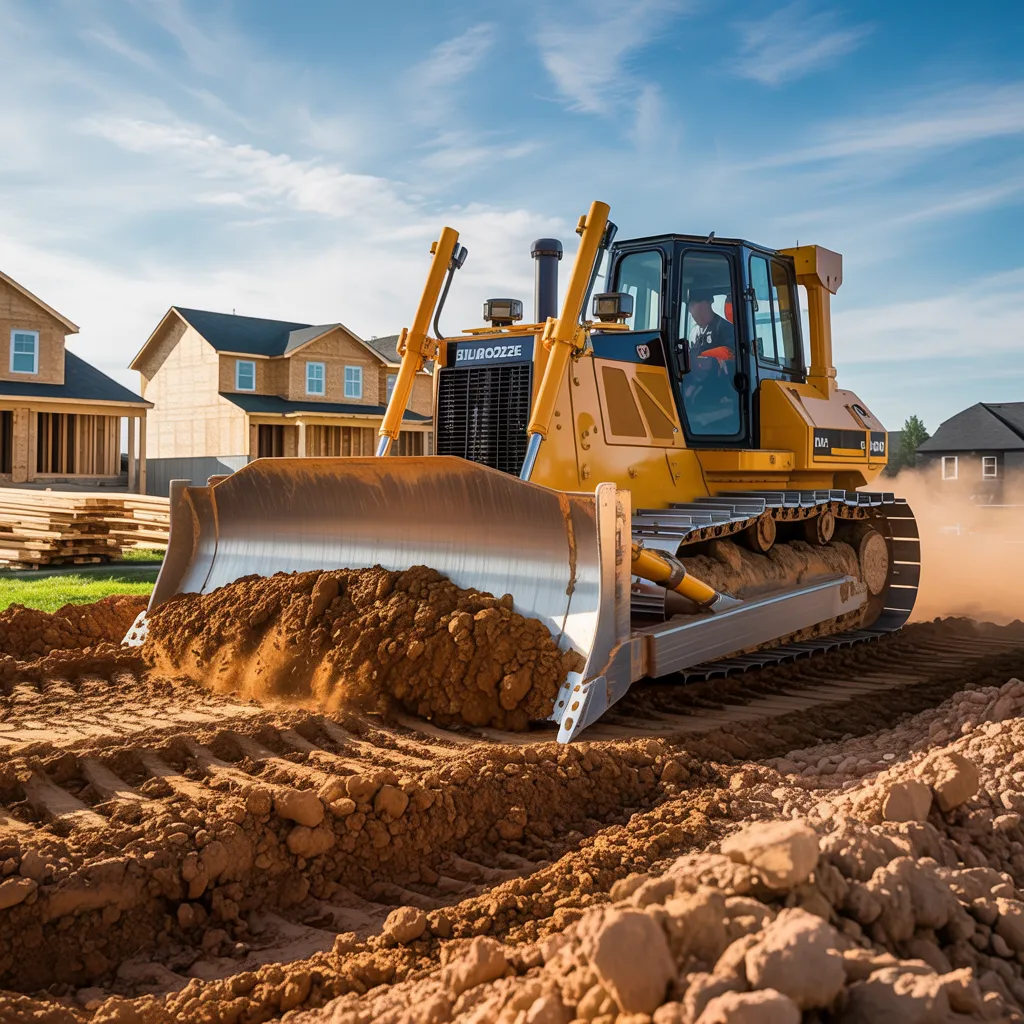
Next, property owners are often required to secure the appropriate permits, securing compliance with local laws. After receiving approval to move forward, powerful equipment, including bulldozers and excavators, is utilized to clear vegetation and debris. In the course of this process, particular care is taken to reduce soil disruption and safeguard the neighboring environment.
Upon completing the removal, the property undergoes leveling to establish a even foundation, readying it for upcoming construction or landscaping. To conclude, waste material is removed in an eco-friendly manner, often through recycling or composting, rendering the land primed for new possibilities. Each phase is necessary to ensure a successful site clearing project.
How to Choose the Right Land Clearing Company for Your Needs
Selecting the most suitable land clearing service provider demands careful evaluation to confirm the project fulfills both requirements and guidelines. First, potential clients should evaluate the contractor's expertise and proficiency in executing similar projects. A reputable firm with a demonstrated history of success is often more reliable.
Furthermore, it is important to ensure that the firm carries the proper certifications and coverage, protecting both the client and the property during the land clearing work. In addition, reading customer reviews and testimonials can offer useful insights into the firm's service quality and reputation.
Price estimates are equally important, as they should be open and thorough, detailing all anticipated expenditures. Customers should request several bids to verify they are being offered reasonable costs. Finally, effective communication is essential; a reliable firm will handle inquiries and issues in a timely manner, encouraging a cooperative and supportive dynamic. These factors collectively aid in selecting the best land clearing company to meet specific needs.
Green Methods in Land Clearing
Embracing sustainable practices in land clearing is vital for limiting damage to the environment and promoting ecological balance. Organizations focused on sustainable practices employ methods that minimize soil degradation, maintain local plant ecosystems, and conserve regional wildlife areas. Methods like targeted vegetation removal allow for the removal of only specific trees and shrubs, limiting interference with the natural habitat.
Furthermore, using advanced equipment engineered for minimal-impact work helps minimize disruption to the soil and harm to adjacent vegetation. Once clearing is complete, practices like reforestation and cover crop cultivation can restore the land, improving ecological diversity and soil quality.
Moreover, incorporating recycling practices, such as turning cleared vegetation into biofuel or organic mulch, promotes a resource-efficient circular economy. When prioritizing these sustainable approaches, professional land clearing services can make certain that upcoming development projects adheres to ecological stewardship, encouraging a more sustainable landscape for years to come.
How to Prepare Your Land for Future Projects
Before starting any construction or landscaping project, adequate land preparation is crucial to ensure a successful result. Initially, one must assess the property's topography, soil condition, and drainage systems. This evaluation allows for informed decisions regarding appropriate vegetation, constructions, or additional improvements. Eliminating debris, stones, and unwanted plant growth from the site is critical, as it creates an unobstructed base for subsequent efforts.
As a next step, a soil assessment should be carried out to determine nutrient content and pH levels, making it possible to implement vital changes that foster robust plant health. Furthermore, outlining the scope and boundaries of the project serves to simplify the workflow and reduces the likelihood of conflicts arising down the line.
Ultimately, crafting a comprehensive strategy that defines the project's scope, timeline, and budget is essential. This methodical framework not only defines precise expectations but also serves as a roadmap for every stakeholder involved, ensuring efficient progress toward fulfilling the anticipated milestones.
The Reasons to Hire Professionals for Your Land Clearing Needs?
Hiring skilled specialists for land clearing guarantees access to expert knowledge in equipment operation and maintenance. Their knowledge of safety protocols and compliance standards reduces the risks involved in the land clearing process. Consequently, this professional methodology improves efficiency while promoting a safer work environment.
Proficiency In Equipment Use
Managing the intricacies of land clearing demands professional expertise and advanced equipment, which is where professional services shine. Professionals possess extensive training in handling heavy-duty machines, such as bulldozers, excavators, and stump grinders. Such knowledge ensures that projects are completed thoroughly and efficiently, reducing impact on the surrounding landscape. Furthermore, experts are well-versed in the latest techniques, allowing them to tackle challenging terrain and dense vegetation with ease. Their proficiency not only enhances productivity but also reduces the risk of costly mistakes that can stem from incorrect machinery operation. By hiring experts, property owners can be confident that their land will be cleared safely and thoroughly, paving timely resource the way for future projects or landscaping.
Protection And Compliance Standards
A complete understanding of safety regulations and standards is vital in land clearing operations, as it ensures the protection of both the environment and workers. Professionals in land clearing are prepared to follow local regulations and industry best practices, reducing dangers associated with hazardous materials, heavy machinery, and environmental degradation. They apply essential safety procedures, including the application of personal protective equipment (PPE) and carrying out risk assessments prior to beginning work. Compliance with regulations not only minimizes potential legal issues but also supports sustainable land management. Hiring experts confirms that all procedures are carried out safely and efficiently, allowing property owners to concentrate on their goals without the stress of navigating complicated regulatory and safety requirements.
Frequently Asked Questions
What Permits Do You Need for Land Clearing Projects?
Permits required for land clearing projects commonly consist of environmental permits, grading permits, and in some cases local zoning approvals. Requirements vary depending on location, so consulting local authorities ensures adherence to all required legal regulations before initiating the project.
How Long Does It Generally Take to Complete the Land Clearing Process?
The process of land clearing usually spans one to several weeks, influenced by factors such as the overall size of the area, the thickness of vegetation, and local weather conditions. Each individual project is distinct, having a considerable impact on the overall timeline.
Can Land Clearing Boost Property Value?
Absolutely, land clearing is capable of improving the value of a property. By eliminating obstacles and enhancing aesthetics, it renders the land more attractive to potential buyers, thereby boosting marketability and total value of the real estate in the real estate market.
What Equipment Is Used in Land Clearing?
Land clearing generally makes use of equipment such as bulldozers, excavators, chainsaws, and chippers. This equipment efficiently clears trees, shrubs, and debris, ensuring the land is prepared for upcoming development or farming activities.
Are There Risks Associated With DIY Land Clearing?
Indeed, there are risks associated with DIY land clearing such as injuries caused by heavy machinery, damage to your property, and harm to the surrounding environment. Additionally, incorrect methods can cause legal problems surrounding required permits and regulations, making the process even more complicated.